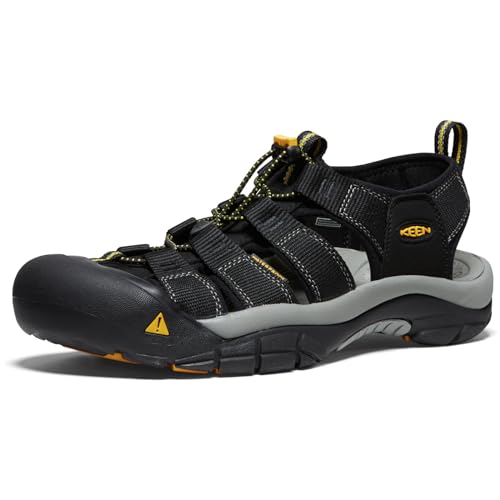
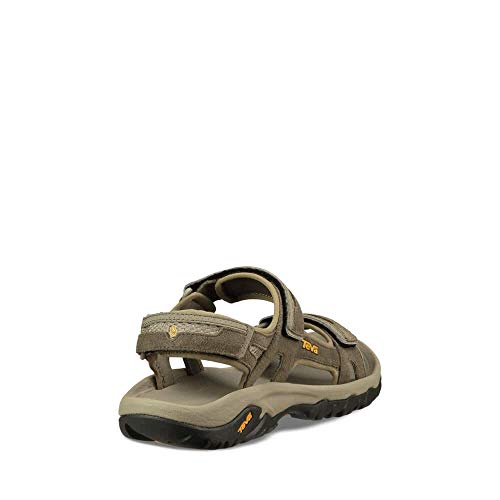
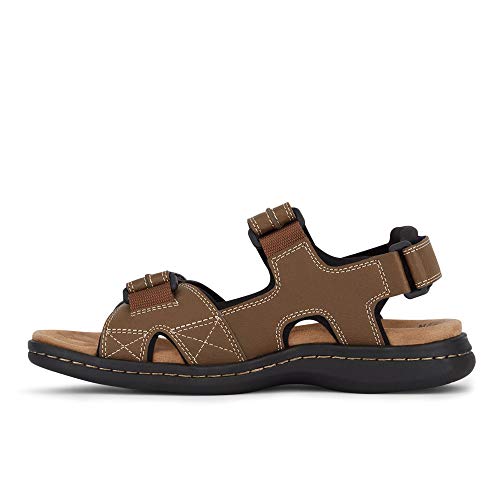
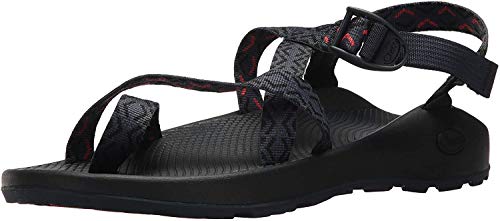
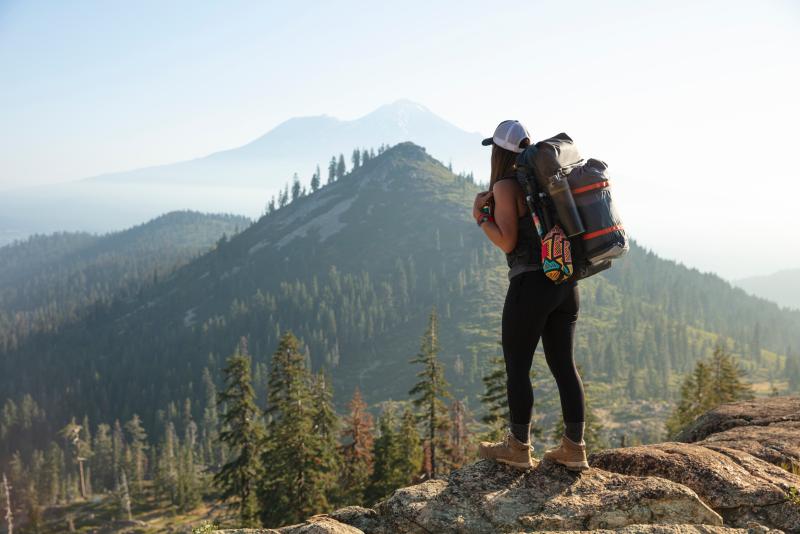
The Benefits and Downsides of Hiking Sandals
Hiking sandals are a popular choice for some outdoor enthusiasts, while others cannot imagine setting foot on a trail without the proper boots. Both options have their advantages and drawbacks, and it often comes down to personal preference and the specific conditions of your hiking route.
Benefits of Hiking in Sandals
One of the most significant advantages of wearing sandals for hiking is the breathability they offer. Your feet can stay cooler and drier in sandals, especially during hot summer months. Additionally, sandals tend to be lighter and less restrictive than boots, allowing for more freedom of movement and easier agility in rocky or uneven terrains.
Sandals are also more convenient than boots when it comes to crossing streams or other bodies of water. You can easily slip them off, wade through the water, and put them back on without much fuss. Conversely, wet boots can greatly impede your hiking and cause blisters or other foot ailments.
Downsides of Hiking in Sandals
One of the most obvious drawbacks of hiking in sandals is the lack of ankle support. Boots offer much more protection for your ankles, which is especially crucial during strenuous or treacherous hikes that involve steep inclines or descents. Hiking in sandals can increase the risk of rolling or spraining your ankle.
Another concern is the vulnerability of your feet in sandals. Rocks, debris, or thorny vegetation can easily enter into the sandal openings and cause discomfort or injury. This can be mitigated by choosing sandals with durable and protective soles, but it still remains a factor to consider. Additionally, sandals may not be suitable for hikes in snowy or icy conditions, where boots with proper treads and insulation are essential.
Conclusion
As with any outdoor gear decision, choosing between hiking sandals and boots depends on the individual needs and preferences of the hiker. For shorter and easier hikes in hot and dry conditions, sandals may be a great choice. However, for more challenging hikes with rough terrain or inclement weather, boots should be prioritized for safety and proper support. Ultimately, the best practice is to assess the trail conditions and do thorough research before embarking on any hike to ensure the right gear is selected.
Why Hiking Boots are Still the Go-To Choice for Serious Hikers
While hiking sandals have come a long way in recent years, and are certainly a viable option for some hikes, there are a number of reasons why hiking boots remain the preferred choice for many serious hikers.
Protection
Hiking boots offer more protection to your feet than sandals ever could. With rugged soles, sturdy construction, and often additional ankle and heel support, boots are designed to protect your feet and help prevent injuries such as sprains and bruises.
Depending on your chosen hike, you may also encounter sharp rocks, thorns, and other dangers that sandals simply can't compete with. When it comes to rocky, high-altitude terrain, boots are simply the safer choice.
Traction
When hiking, traction and stability are crucial. Slippery rocks, mud, and steep inclines are all common challenges when hitting the backcountry, and hiking boots are designed with these obstacles in mind. With thicker, more aggressive soles that grip the trail, boots offer better traction and help you maintain your footing on even the most treacherous terrain.
Durability
Hiking can be tough on your gear, and quality hiking boots are built to withstand the pressure. With heavy-duty materials, reinforced stitching, and strong laces and eyelets, hiking boots are the more durable option when you need a shoe that can take a beating. They are designed to last you years and miles on the trail.
Comfort
While early hiking boots were notoriously stiff and uncomfortable, modern options are significantly more comfortable. Features like improved breathability, cushioned insoles, and a range of materials mean that hiking boots can be just as comfortable as sandals or casual shoes. Providing adequate support, hiking boots reduce the risk of blisters, sore feet, and foot fatigue during long hikes.
Summary
While hiking sandals may be a more lightweight, breathable, or convenient option for some hikes, it's clear that hiking boots are the more versatile and dependable option when you are heading out into the backcountry. With better protection, traction, durability, and comfort, you can count on hiking boots to help you tackle any trail.
How to Choose the Right Footwear for Your Next Hiking Adventure
When it comes to choosing the right footwear for your next hiking adventure, there are a few important factors to consider. Here are some tips to help you make an informed decision:
1. Consider the terrain
Before you choose your footwear, think about the terrain you'll be hiking on. Are you going to be walking on rocky trails, climbing over boulders, or crossing streams? If you're hiking on uneven terrain, you'll need shoes with good ankle support and a sturdy sole. If you'll be walking on smoother trails or paved paths, you can get away with lighter, more flexible shoes.
2. Choose the right fit
One of the most important things to consider when choosing hiking footwear is how it fits your foot. Your shoes should fit snugly, with enough room to wiggle your toes. They should also have good arch support and cushioning to keep your feet comfortable on long hikes.
3. Decide between sandals and boots
Sandals and boots are both good choices for hiking, depending on the terrain and your preferences. Sandals are great for warm weather hikes and for walking on smoother trails. They're light, airy, and let your feet breathe. Boots are better for rougher terrain, because they offer more support and protection for your feet and ankles. They're also a good choice for hikes in wet or muddy conditions.
4. Consider water resistance
If you'll be hiking in wet conditions or crossing streams, you'll want shoes that are water-resistant. Look for shoes with a waterproof membrane or lining, or choose shoes made from quick-drying materials.
5. Take your time
Don't rush the decision when choosing your hiking footwear. Take the time to try on different styles, walk around in them, and get a feel for how they fit and support your feet. Remember that the right footwear can make or break your hiking experience, so it's worth the investment.
By following these tips, you can choose the right footwear for your next hiking adventure and hit the trails with confidence and comfort.