Consider These Factors When Choosing Hiking Footwear
Choosing the right hiking footwear is crucial to your hiking experience, as the right pair can offer support, protection, and comfort. Here are a few factors to keep in mind when choosing the right hiking shoes or boots:
- The terrain you’ll be hiking on: Will you be hiking on rocky or uneven terrain? Then you'll need footwear with a sturdy and durable sole. If you'll be hiking on mostly flat terrain, then you can opt for something with a thinner and more flexible sole.
- The weather and climate: If you're hiking in cold or rainy conditions, then you'll need waterproof footwear that provides adequate insulation. If you're hiking in hot and dry conditions, however, then lightweight, breathable footwear will work better for you.
- Your foot type: Your foot type can determine which type of shoe or boot you need. If you have flat feet, for example, you'll want to look for shoes with good arch support. If you have high arches, you may need shoes with more cushioning.
- The weight of your pack: If you'll be carrying a heavy hiking pack, then you'll need footwear with a supportive and sturdy sole to help carry the extra weight.
- Your skill level: If you're a beginner hiker, it's a good idea to invest in sturdy and durable hiking footwear that provides plenty of support. More experienced hikers may be able to opt for lighter footwear with less support.
- Your personal preference: Ultimately, the footwear you choose should be comfortable for you. You may prefer a certain material or style that suits your individual needs and preferences.
By considering these factors, you'll be able to choose the right hiking footwear that will help make your hike more enjoyable and safe.
Types of Hiking Footwear: Which is Right for You?
When it comes to hiking footwear, there are a variety of options to choose from. Here are the most common types and what they're best suited for:
Hiking Shoes
Hiking shoes are a great option for shorter hikes on relatively flat terrain. They are lightweight and flexible, allowing for ease of movement, but still provide some protection and support for your feet. If you're planning on doing some light hiking on a day trip, hiking shoes may be the perfect choice for you.
Hiking Boots
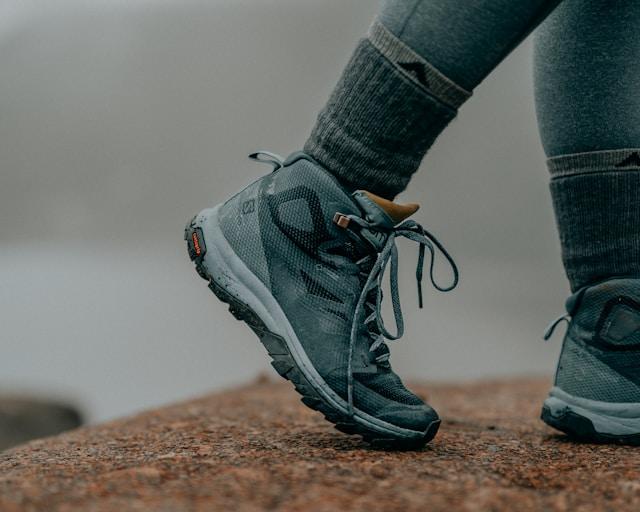
Hiking boots are a more heavy-duty option, designed for more rugged terrain and longer trips. They are typically heavier and stiffer than hiking shoes, but they offer more support and protection for your feet. If you're planning on backpacking or doing a multi-day trip, hiking boots may be the way to go.
Trail Runners
Trail runners are a lightweight and highly flexible option for those who want to move fast on the trail. They are designed for people who like to run or move quickly through difficult terrain, but still need some protection for their feet. Trail runners are not recommended for heavy backpacking trips or extended time on rocky terrain.
Approach Shoes
Approach shoes are a hybrid between hiking shoes and climbing shoes, designed for the approach to a climbing area. They are often stiffer than hiking shoes and have a sticky rubber sole for traction on rocky terrain. While they may not be the best option for a long hike, they're great for the approach to a climbing area or a short hike with some scrambling involved.
Sandals
Sandals are a great option for very hot weather or for water crossings. They provide little support or protection for your feet, however, so they're not recommended for long hikes or rocky terrain.
When choosing your hiking footwear, consider the terrain you'll be hiking on, the length of your trip, and your personal preferences. Finding the right footwear can make all the difference in having an enjoyable hiking experience.
Tips for Ensuring a Proper Fit When Selecting Hiking Footwear
Here are some tips to help you ensure that you get the right fit when shopping for hiking footwear:
- Try on both shoes: It may seem obvious, but it's important to try on both shoes to ensure a proper fit. Don't assume that both feet are the same size or shape.
- Wear proper socks: Wear the socks you plan to wear while hiking when trying on footwear. This will help you get a more accurate fit.
- Stand up: Stand up while trying on footwear to ensure that your weight is properly distributed. This will help you get a better feel for how the shoes will fit while hiking.
- Ensure proper width: Make sure the shoes are the proper width. They shouldn't be too snug or too loose. This will help prevent blisters and other foot injuries.
- Test for toe room: Ensure that there is enough room for your toes to wiggle. You don't want your toes to be cramped as it can lead to blisters and other foot problems.
- Walk around: Walk around in the shoes to ensure that they are comfortable and provide the necessary support. Try walking up and down stairs or on inclines to get a better feel for how they will perform while hiking.
- Consider the terrain: Keep in mind the terrain you will be hiking on when selecting footwear. If you will be hiking on rocky terrain, you may need more rugged shoes with better traction.
By following these tips, you can ensure that your hiking footwear will fit properly and provide the support and protection you need for your next adventure.